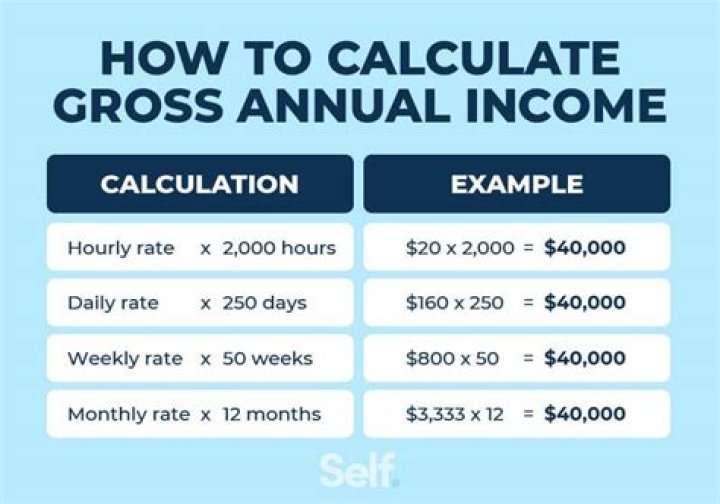
First, to find your yearly pay, multiply your hourly wage by the number of hours you work each week and then multiply the total by 52. Now that you know y...
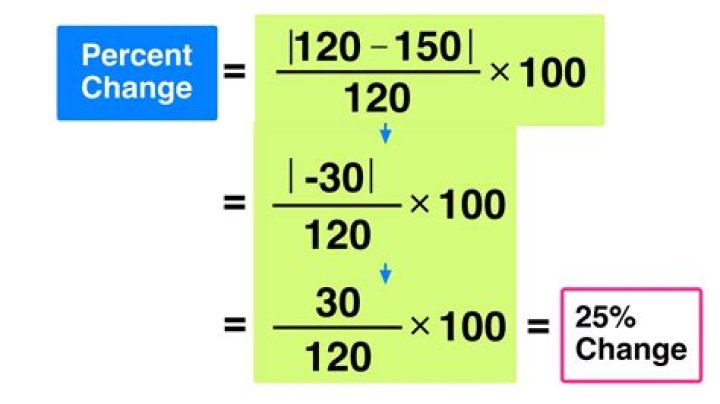
Average Annual Percent Change (AAPC) is a summary measure of the trend over a pre-specified fixed interval. It allows us to use a single number to describ...
While the range of acceptable current ratios varies depending on the specific industry type, a ratio between 1.5 and 3 is generally considered healthy. Is...
The Difference Between Commercial, Industrial & Residential Electricians. As their name implies, residential electricians work in homes. Commercial el...
In a performance-based layoff, HR and department leadership work together to decide which employees are leaving. The department leader produces names of t...
Once a loan is paid in full and the account is closed, you lose the benefit of continuing to make regular on-time payments that have a positive impact on ...
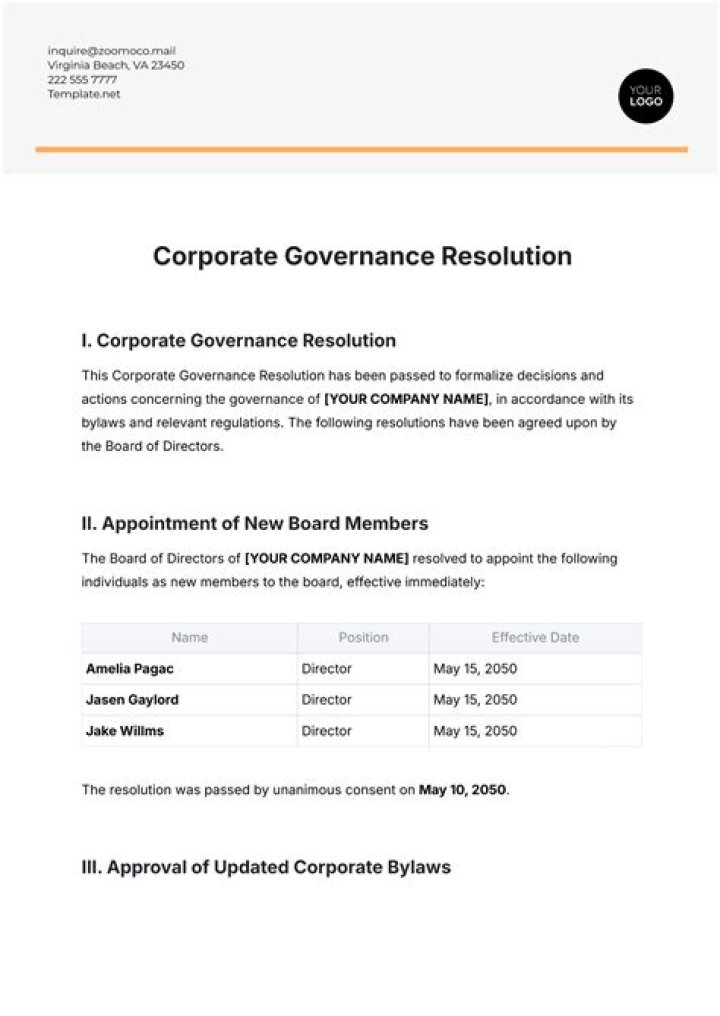
Officers of a Corporation Officers include the president or chief executive officer, the chief financial officer or treasurer, and the chief operating off...
Can you sell your house if you owe more than it’s worth? Yes, you can, but depending on your state, you may still be responsible for the remaining portion...
You have an escrow account to pay for property taxes or homeowners insurance premiums, and your property taxes or homeowners insurance premiums went up. I...
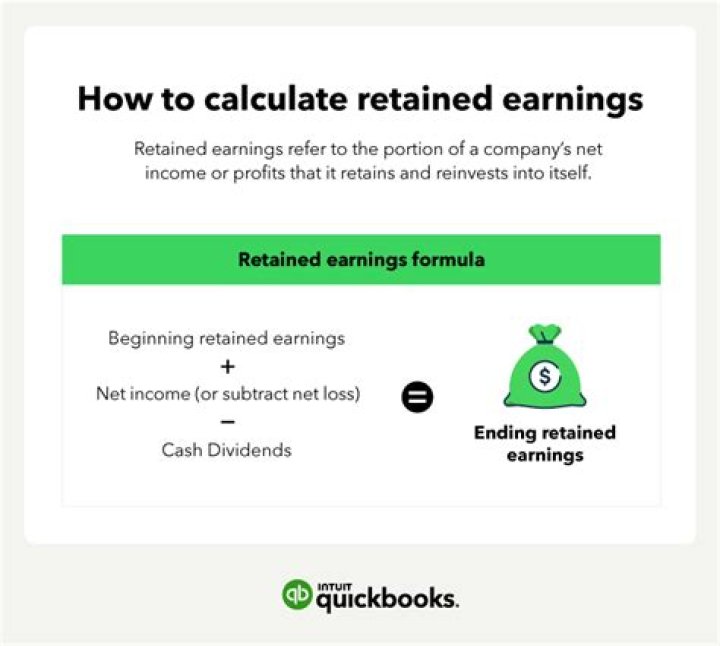
The retained earnings are calculated by adding net income to (or subtracting net losses from) the previous term’s retained earnings and then subtracting a...